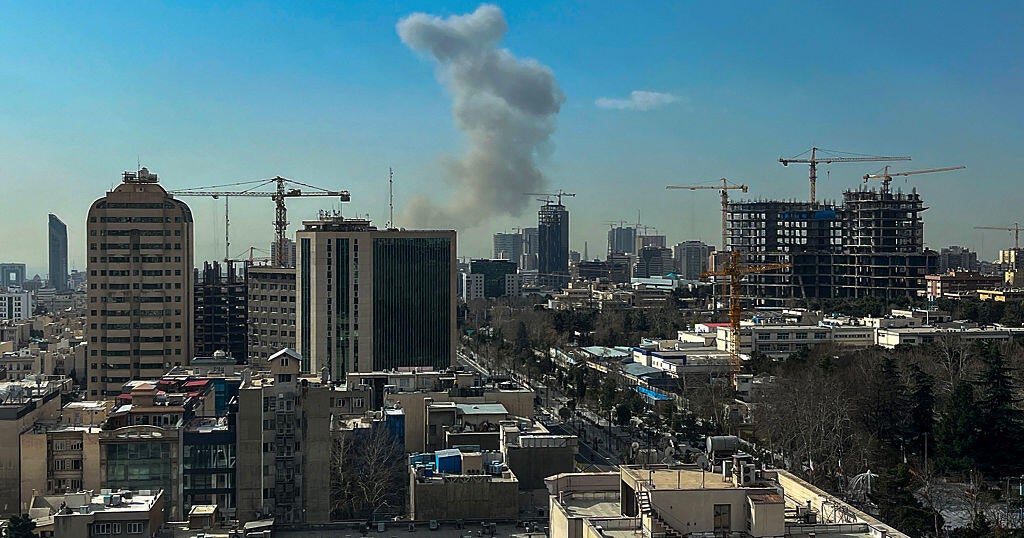
How Media Depicts US-Israel Strikes on Iran: A Global Tapestry of Reactions
When the news breaks that
EEUU Israel atacan (the US and Israel attack) Iran, the global media landscape lights up with a cacophony of voices, perspectives, and interpretations. Far from a uniform narrative, the portrayal of such a significant geopolitical event is deeply colored by national interests, political alignments, historical contexts, and underlying ideologies. Understanding these diverse depictions is crucial for comprehending the true global reaction and the potential ripple effects of such actions.
The very act of reporting on potential US and Israeli strikes against Iran is fraught with complexity. Is it an act of aggression, a pre-emptive strike, or a retaliatory measure? The answer often depends on who is telling the story and where they are telling it from. From Washington's official statements to Tehran's defiant rhetoric, and from the cautious condemnations of allied nations to the fervent support of regional partners, the media acts as a primary lens through which the world processes these critical moments.
A Glimpse from Brazil: Condemnation, Restraint, and Concern
The reference context provides a fascinating window into how a major non-aligned nation like Brazil reacts when news of the
EEUU Israel atacan scenario emerges. Brazilian headlines reveal a consistent theme of strong condemnation and a plea for de-escalation:
- One headline frames the event as "Trump ignores negotiations over the Persian country's nuclear program and launches offensive against the capital Tehran," immediately highlighting a perceived lack of diplomatic effort. This narrative questions the necessity and timing of the strike, suggesting an abandonment of peaceful resolutions.
- Another critical perspective states, "Attack on Iran is illegal and repeats mistakes made by George W. Bush." This comparison invokes a historical precedent of controversial interventions, drawing parallels to the Iraq War and its destabilizing consequences. It directly challenges the legality and wisdom of such military action under international law, a stance echoed by many developing nations wary of unilateralism.
- Brazil's official response, as reported by its media, is consistently one of "condemnation" and expressing "grave concern," alongside calls for "maximum restraint." This measured yet firm diplomatic language underscores a commitment to international law and peaceful conflict resolution. For more on this, you can read our detailed analysis: US-Israel Strikes on Iran: Brazil Condemns, Urges Restraint.
- The impact on human lives and communities is also highlighted, with reports of "Iranian refug3es in Brazil fear repression and defend regime change after attacks." This brings a vital human dimension to the geopolitical conflict, showing how actions far away can have profound, personal consequences for those caught in the crossfire, even in distant safe havens. It also hints at the complex internal dynamics within the Iranian diaspora regarding the current regime.
These Brazilian reports collectively paint a picture of an international community deeply concerned by the potential for escalation, questioning the justifications, and advocating for diplomatic solutions over military confrontation. They also underscore how actions by powerful nations can be viewed critically through the lens of international law and past failures.
Unpacking Justifications and Legality: Beyond Official Narratives
When
EEUU Israel atacan another sovereign nation, the justification provided by the attacking parties often faces intense scrutiny globally. The reference context touches upon this directly with the observation that "Trump’s justification for the attack is based on false or unproven claims." This critical assessment highlights a crucial aspect of media depiction: the challenge to official narratives.
International law, particularly the UN Charter, places stringent limits on the use of force. While self-defense is a recognized right, its parameters are often debated. Critics frequently argue that pre-emptive strikes, particularly those launched without clear and imminent threat, or without UN Security Council authorization, constitute violations of international law. Media outlets worldwide, especially those in non-aligned or adversarial nations, often focus on these legal and ethical questions, contrasting the attacking nations' claims with established international norms.
Furthermore, the failure of diplomatic efforts frequently precedes military action. The context notes that "Nuclear negotiations failed to prevent attacks and escalation of the conflict." This suggests a breakdown in diplomacy, placing responsibility not just on the aggressor but also on the collective international community's inability to de-escalate through dialogue. This framing is common in media that prioritizes peaceful resolutions and multilateralism.
Understanding the legal and diplomatic underpinnings, or the lack thereof, is crucial for assessing the legitimacy of such strikes. For a deeper dive into this complex issue, explore our article:
US-Israel Iran Attacks: Justification, Legality, and Failed Diplomacy.
The Domino Effect: Broader Geopolitical and Humanitarian Implications
Beyond the immediate reports of strikes and condemnations, media coverage of a potential conflict where
EEUU Israel atacan Iran often delves into the far-reaching consequences. These implications extend across geopolitical, economic, and humanitarian spheres:
*
Regional Instability: An attack on Iran would almost certainly ignite a broader regional conflict. Media outlets often speculate on potential retaliatory strikes by Iran against US assets, Israeli targets, or Gulf states. The role of proxy groups, existing conflicts in Syria, Yemen, and Lebanon, and the delicate balance of power in the Middle East all become central to the narrative.
*
Economic Fallout: The global economy, particularly energy markets, would react sharply. Reports would undoubtedly focus on rising oil prices, disruptions to shipping lanes (especially through the Strait of Hormuz), and the potential for a global economic downturn.
*
Humanitarian Crisis: Beyond the immediate casualties, a large-scale conflict would undoubtedly create new waves of refugees and internally displaced persons. Media often highlights the suffering of civilians, the destruction of infrastructure, and the long-term trauma inflicted on affected populations. This is reflected in the Brazilian context, where Iranian refugees already fear repression, signaling the deeper human cost of such hostilities.
*
Erosion of International Norms: Repeated unilateral military actions, especially those deemed illegal, can weaken the international rules-based order, setting dangerous precedents for other nations and potentially encouraging further instability worldwide.
Navigating the News Landscape: Tips for Critical Consumption
Given the varied and often conflicting media portrayals when
EEUU Israel atacan Iran, it is essential for readers to approach news consumption with a critical eye. Here are some practical tips to help you discern fact from opinion and understand the full scope of global reactions:
- Consult Multiple Sources: Do not rely on a single news outlet or nation's perspective. Compare reports from Western media (e.g., BBC, New York Times), Middle Eastern outlets (e.g., Al Jazeera, Iran's Press TV), and non-aligned nations (e.g., Brazilian, Indian, or South African news).
- Identify Bias: Every news organization has a perspective, whether explicit or implicit. Look for language that is emotionally charged, uses loaded terms, or omits crucial context. Consider the ownership and funding of the outlet.
- Verify Facts: Cross-reference factual claims, especially those concerning casualties, military movements, or justifications for action. Be wary of unverified social media reports.
- Understand Geopolitical Context: Familiarize yourself with the historical relationship between the US, Israel, and Iran, as well as the regional dynamics. Understanding the "why" behind different nations' reactions is key.
- Look for Expert Analysis: Beyond breaking news, seek out in-depth analysis from reputable academics, think tanks, and former diplomats. They can provide nuanced perspectives that go beyond surface-level reporting.
- Question Official Statements: While official statements provide critical information, remember they are often crafted to serve specific political agendas. Compare them with independent investigative journalism.
By actively engaging with diverse media portrayals and applying these critical thinking skills, you can construct a more comprehensive and accurate understanding of how the world reacts to such pivotal events.
Conclusion
The depiction of US-Israel strikes on Iran in global media is anything but monolithic. From outright condemnation and calls for restraint in countries like Brazil, to differing justifications and interpretations of legality, the narratives are as varied as the nations reporting them. This complexity underscores the profound geopolitical implications of such an event, highlighting concerns over international law, regional stability, economic fallout, and humanitarian crises. As observers of this intricate global theater, our ability to critically analyze diverse media portrayals is paramount. By doing so, we not only gain a deeper understanding of the event itself but also appreciate the intricate web of international relations and the fundamental role of journalism in shaping public opinion and global discourse.